
Elite Mongolia Tours
Travel Guide
10 topics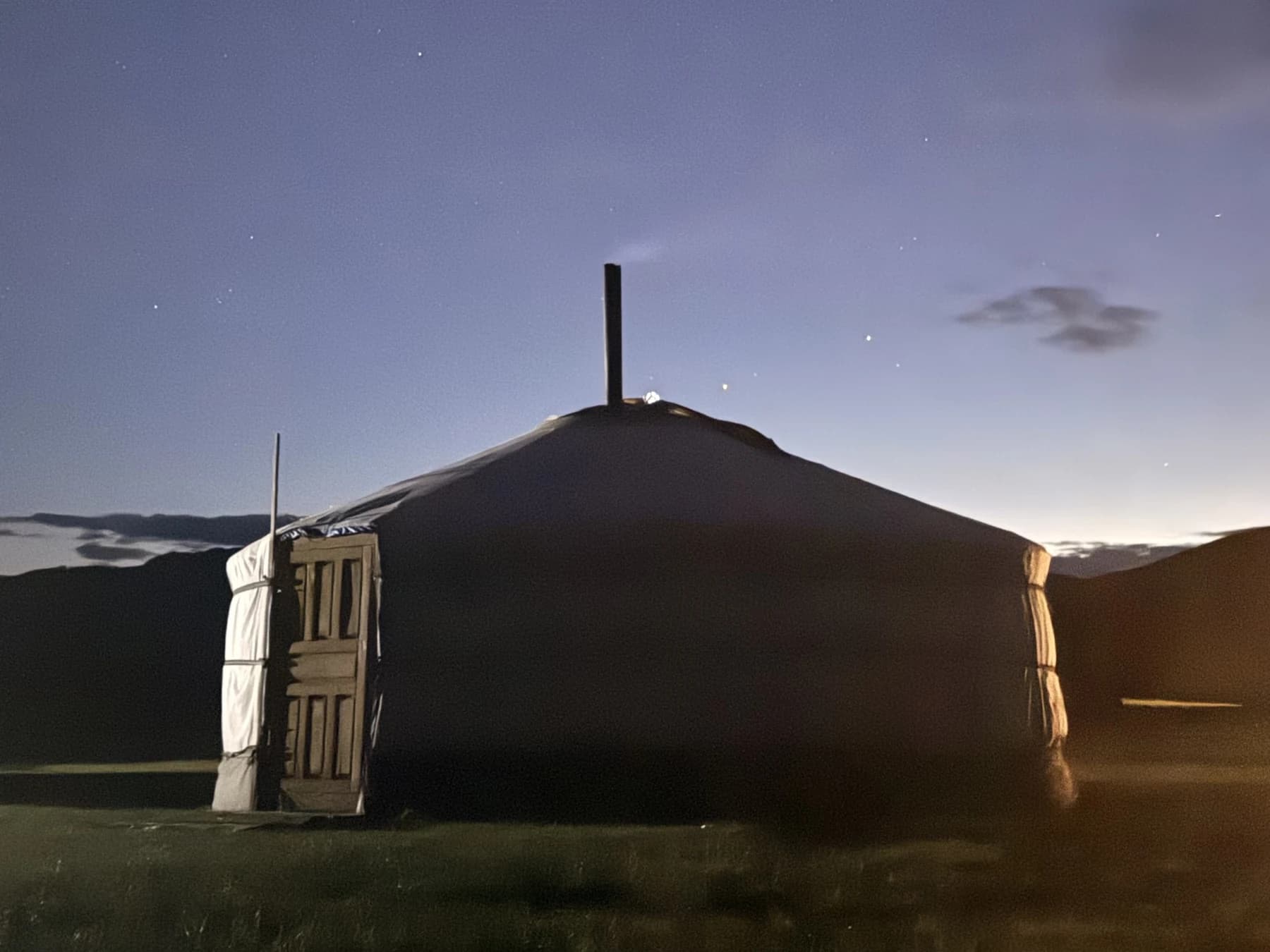 Elite Mongolia Tours
1. Check Your Visa Requirements
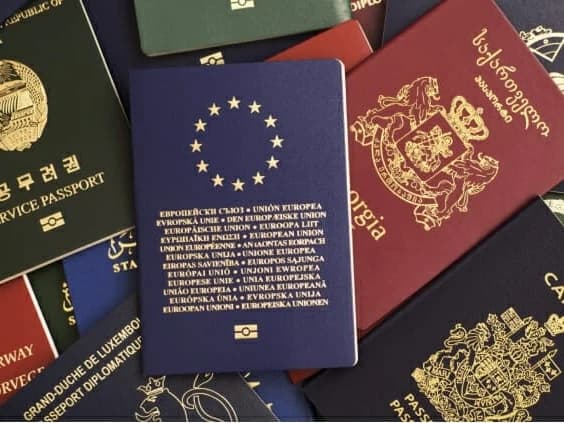
Visa requirements depend on your nationality, purpose of travel, and length of stay. Some nationalities may enter Mongolia visa-free for tourism, while eligible travelers can apply for an electronic visa.
Before booking your trip, check the latest requirements and make sure your passport meets the required validity period. Mongolia’s Immigration Agency currently provides an official e-visa system for eligible travelers.
Travel Tip: Keep a digital and printed copy of your passport, visa or visa exemption information, and travel insurance documents.
2. Choose the Right Season
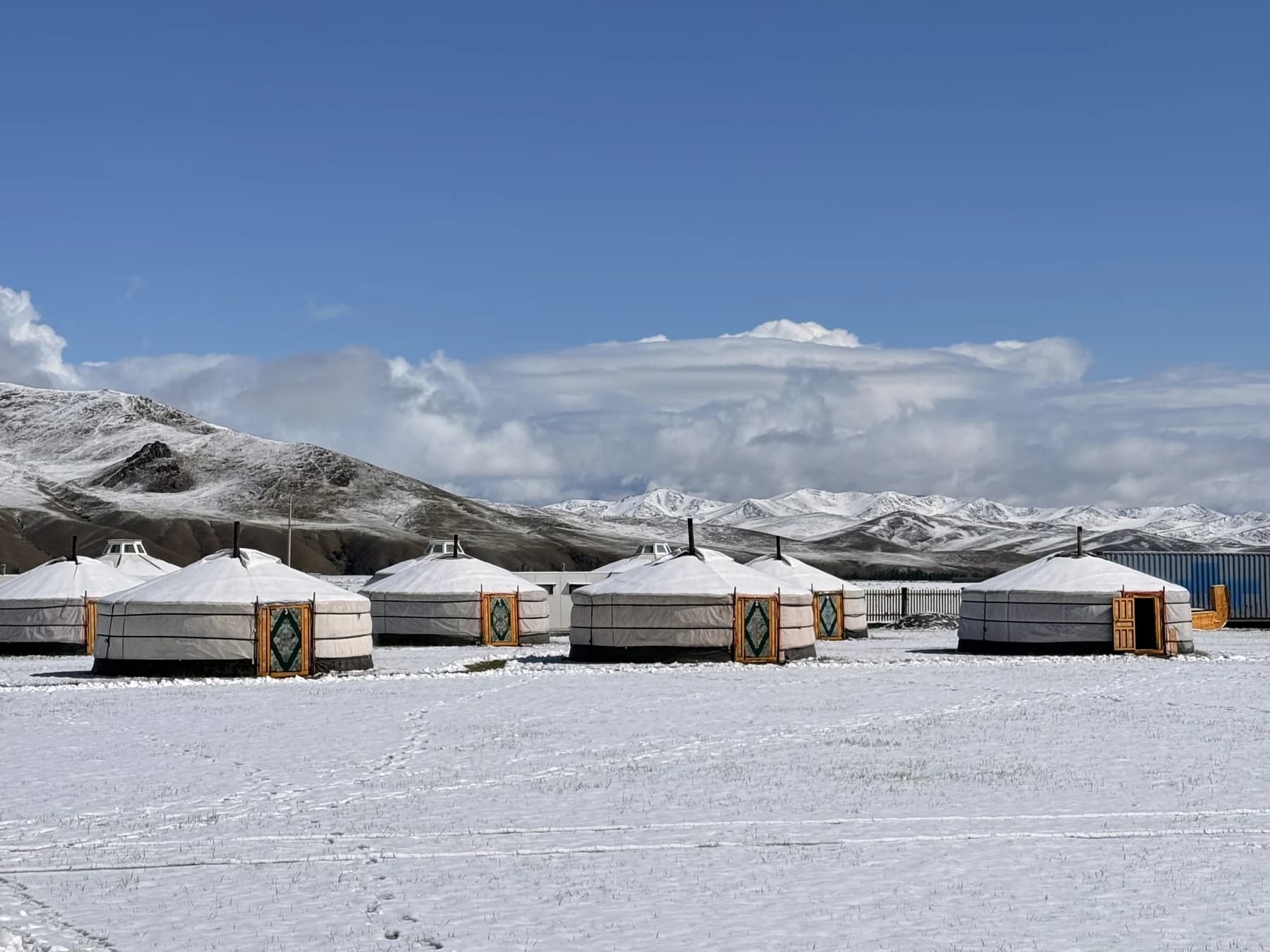
Mongolia has four distinct seasons and a strongly continental climate. Summers can be warm and sunny, while winters are extremely cold. Spring and autumn can bring rapidly changing weather.
Summer (June–August): The most popular season for countryside travel, trekking, horse riding, and cultural experiences.
Autumn (September–October): Cooler temperatures, beautiful landscapes, and excellent conditions for photography and cultural journeys.
Winter (November–February): A unique time for experiencing Mongolia’s winter landscapes, festivals, and traditional life, but temperatures can become extremely cold.
Spring (March–May): A quieter season with changing weather and the beginning of the new pastoral year.
Travel Tip: Weather can change quickly, especially in the countryside. Pack layers rather than relying on one type of clothing.
3. Prepare for Long Distances
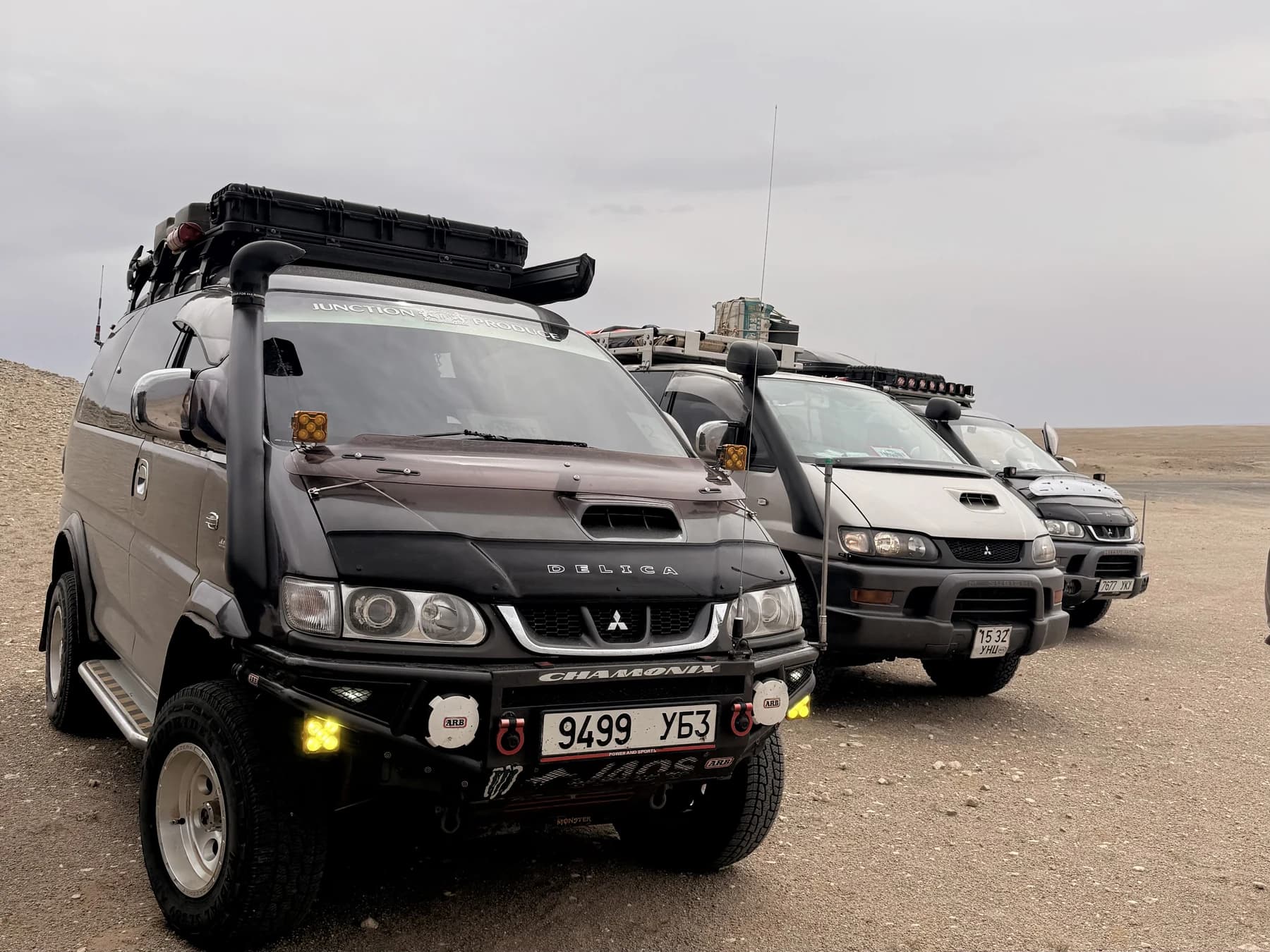
Mongolia is a huge country with a very low population density. Many of the country’s most spectacular attractions are far from Ulaanbaatar and major paved roads.
A journey that looks short on a map can take several hours because some countryside routes are unpaved or follow rough terrain.
Travel Tip: Allow enough time between destinations and enjoy the journey itself. The landscapes, wildlife, herder families, and changing scenery are an important part of traveling in Mongolia.
4. Carry Cash for the Countryside
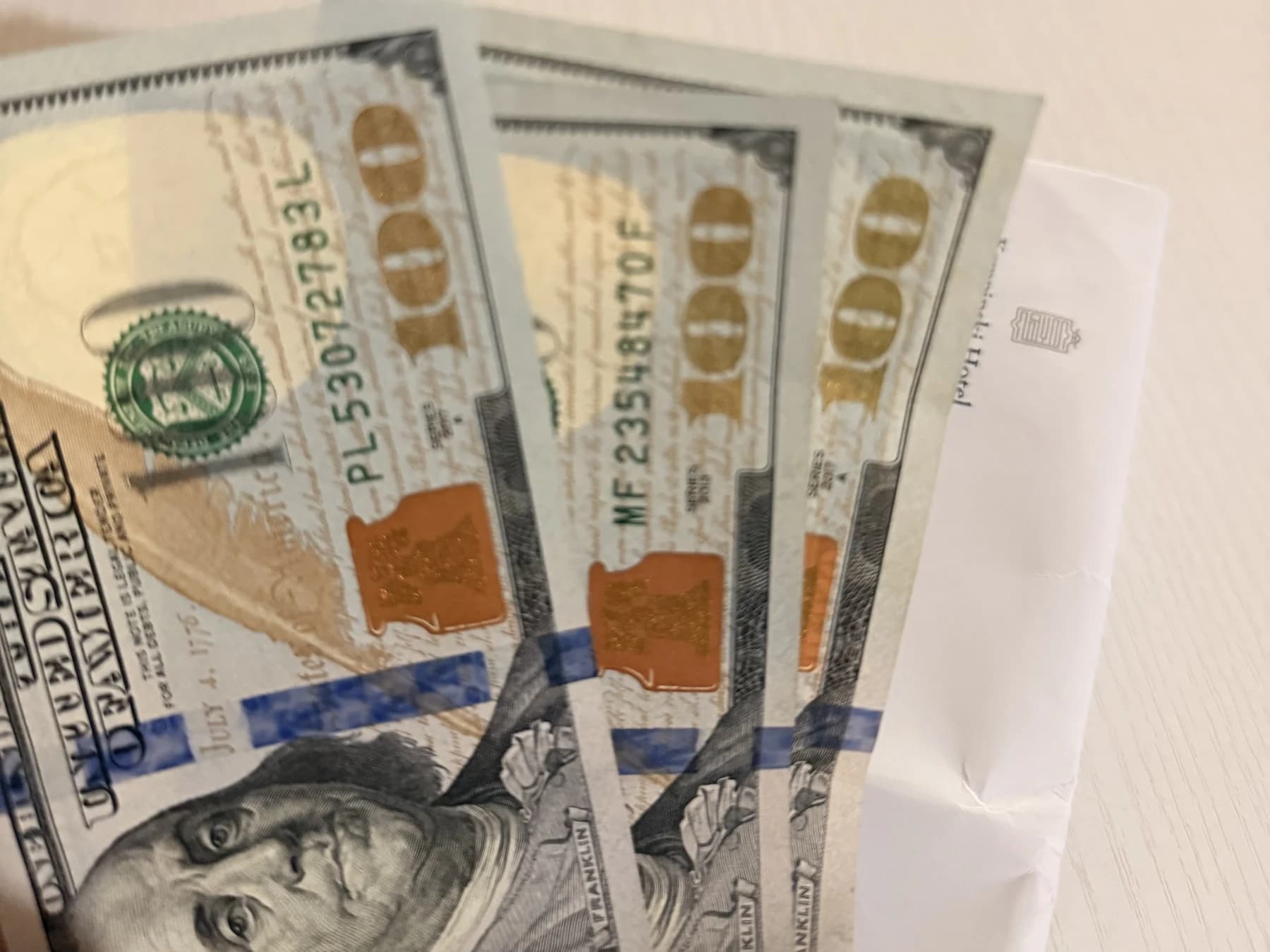
The official currency is the Mongolian Tögrög (MNT). Credit and debit cards are widely accepted in Ulaanbaatar and many larger establishments, but cash is still important when traveling to remote areas.
ATMs and currency exchange services are available in Ulaanbaatar, but opportunities become more limited as you travel farther into the countryside.
Travel Tip: Carry enough Mongolian currency for small purchases, local services, snacks, souvenirs, and unexpected expenses during countryside tours.
5. Expect Limited Internet in Remote Areas
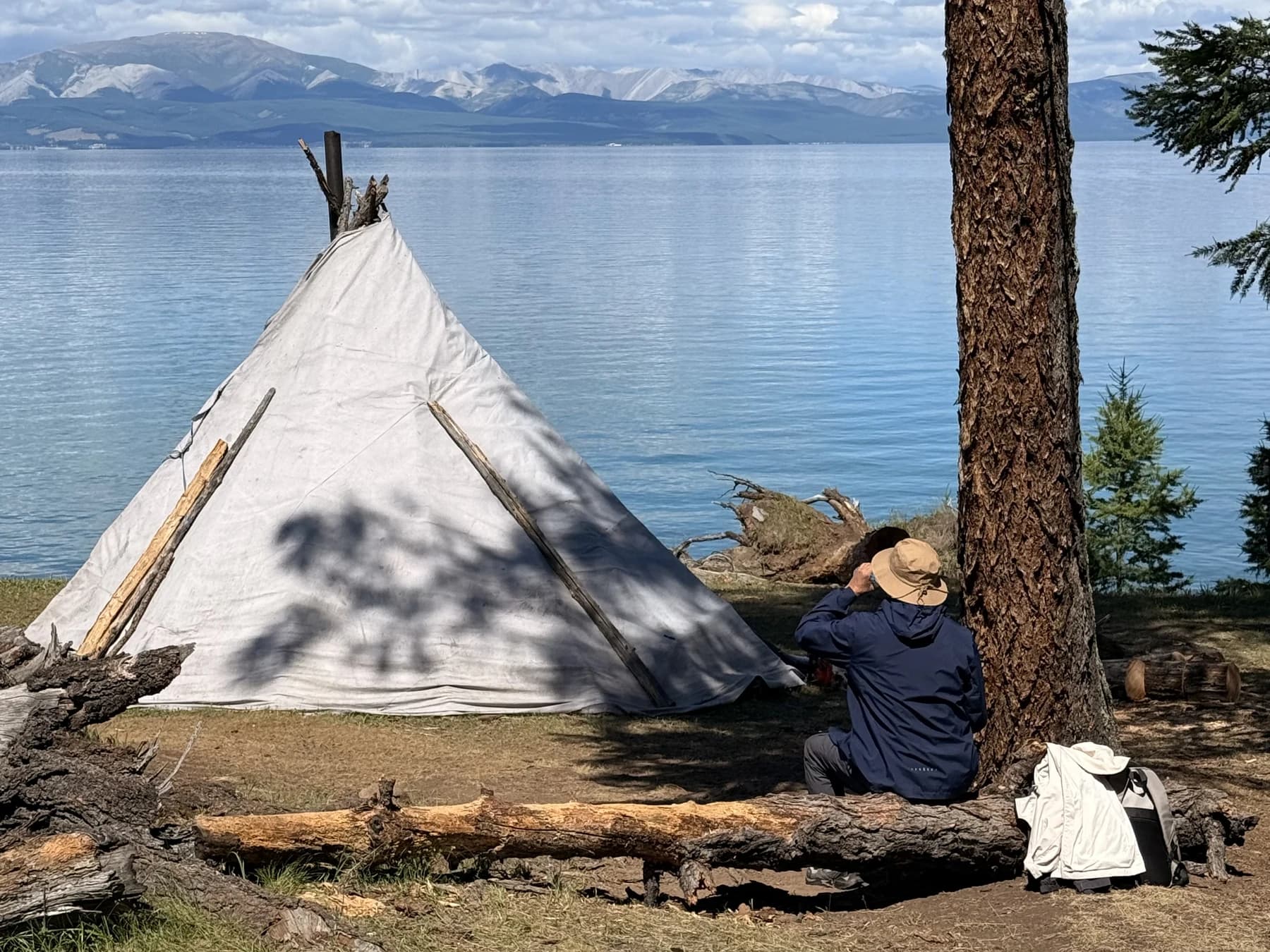
Internet access is generally convenient in Ulaanbaatar, hotels, restaurants, and major towns. In remote countryside areas, however, Wi-Fi and mobile coverage can be limited or unavailable.
A local SIM card or mobile data package can be useful during your journey, but you should not expect a strong signal everywhere.
Travel Tip: Download your important travel documents, maps, translation tools, and entertainment before leaving the city.
6. Pack for Changing Weather
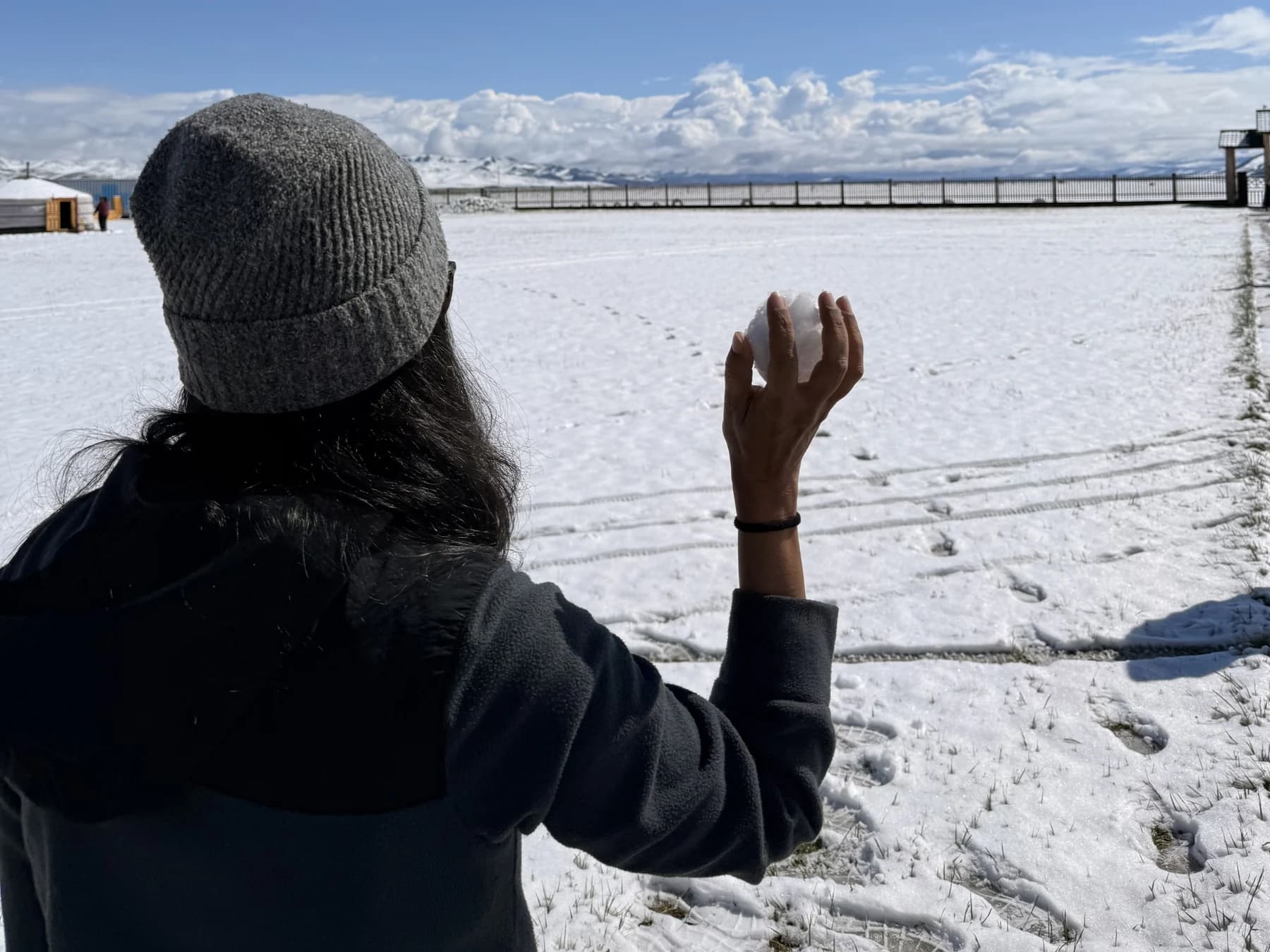
Mongolia’s weather can change quickly, particularly during spring and autumn. Even in summer, evenings in the countryside can be cool.
We recommend bringing:
- Comfortable walking shoes or hiking boots
- Warm layers and a lightweight jacket
- Sun protection and sunglasses
- Hat or cap
- Rain protection
- Personal medicines and a small first-aid kit
- Reusable water bottle
- Power bank
- Headlamp or small flashlight for countryside stays
For winter journeys, specialized cold-weather clothing is essential.
7. Experience a Traditional Mongolian Ger
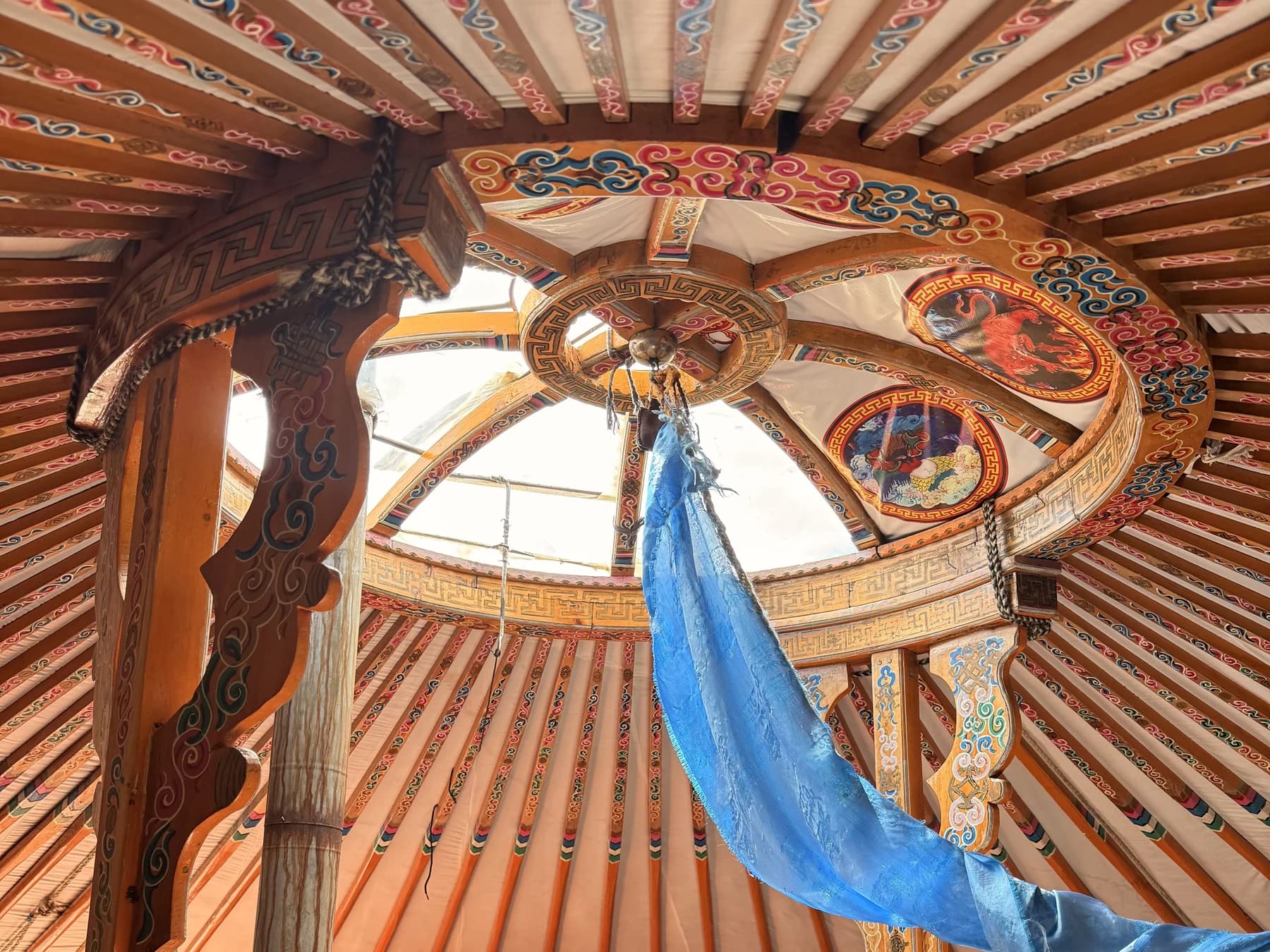
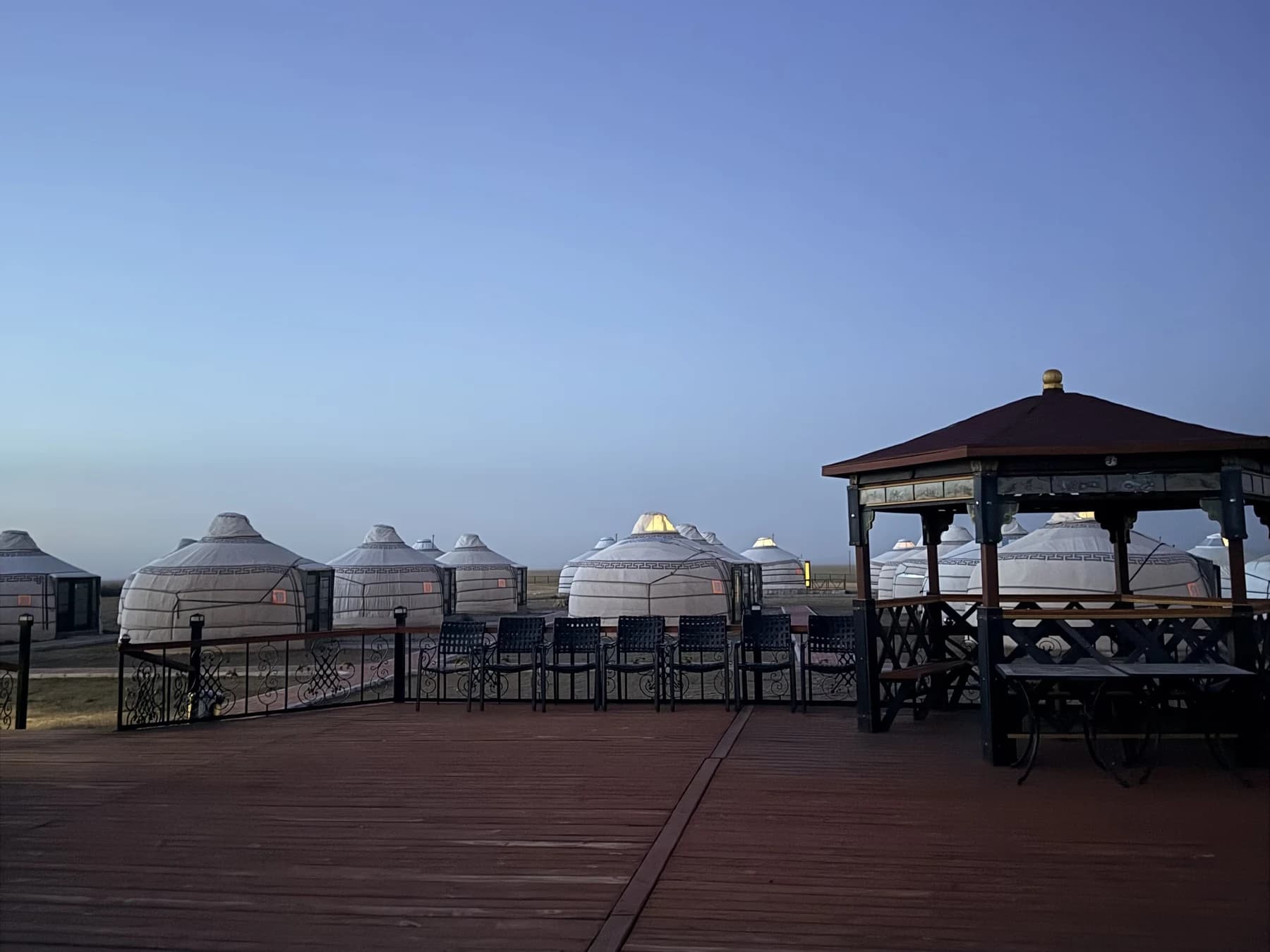
Staying in a traditional ger is one of the most memorable ways to experience Mongolia’s nomadic culture.
Tourist ger camps generally provide beds, heating, dining facilities, and shared or private sanitary facilities depending on the camp. Facilities vary considerably between locations.
A homestay with a nomadic family can offer an even more authentic cultural experience, where visitors may learn about herding, traditional food, livestock, and everyday life.
Travel Tip: Ger camps are not identical to city hotels. Embrace the experience as part of your Mongolian adventure.
8. Respect Mongolian Hospitality and Customs
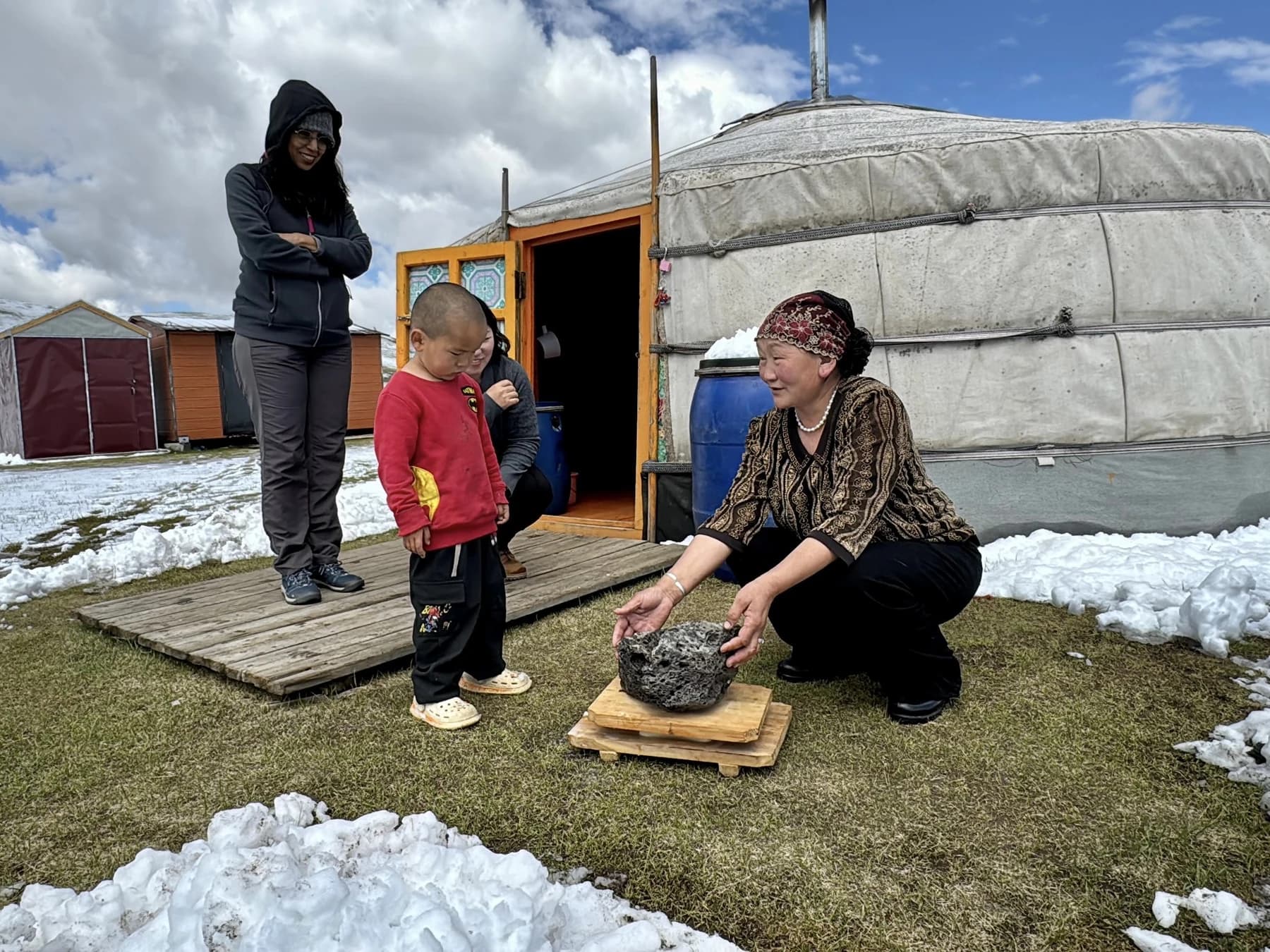
Hospitality is an important part of Mongolian culture. During a visit to a nomadic family, you may be offered traditional milk tea, dairy products, or other food.
A few simple customs will help you feel comfortable:
- Accept food or tea respectfully, even if you only taste a small amount.
- When receiving something from a host, using both hands or the right hand is considered polite.
- Avoid stepping directly on the threshold of a ger.
- Ask before photographing people, especially children.
- Treat religious sites, sacred places, and cultural objects respectfully.
- Follow your guide’s advice when visiting a nomadic family.
A little cultural awareness can turn a simple visit into a meaningful personal connection.
9. Be Open to Mongolian Food
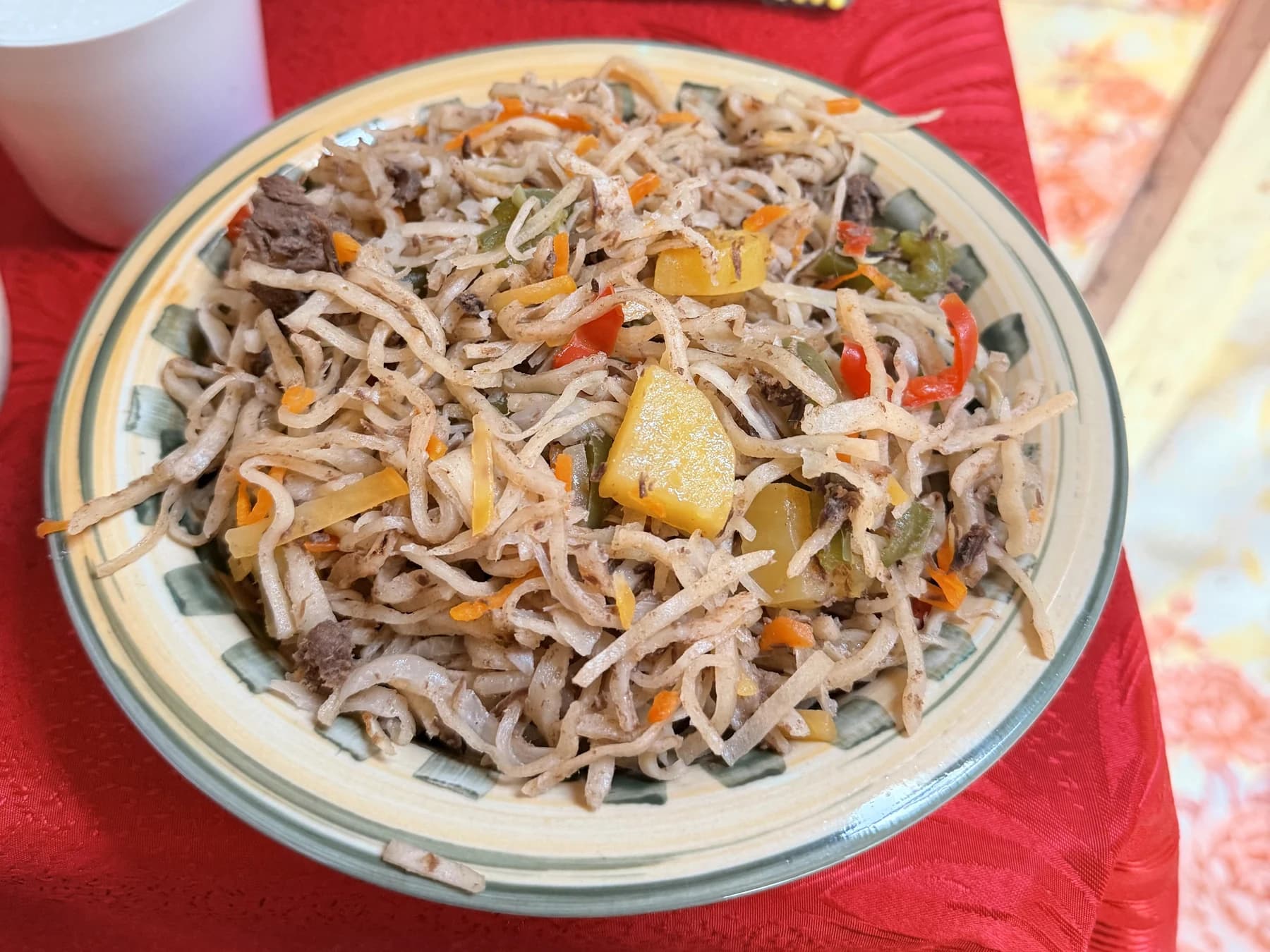
Mongolian cuisine reflects the country’s pastoral lifestyle. Meat and dairy products are important parts of the traditional diet, while vegetables, rice, noodles, and other international foods are widely available in Ulaanbaatar.
During a countryside journey, you may have opportunities to taste:
- Buuz — steamed dumplings
- Khuushuur — fried meat pastries
- Tsuivan — Mongolian noodle dish
- Mongolian milk tea
- Aaruul — dried curds
- Airag — traditionally fermented mare’s milk
- Mongolian barbecue and local meat dishes
If you have allergies, dietary restrictions, or special meal requirements, tell your tour operator before departure so arrangements can be made in advance.
10. Travel with an open mind
Mongolia is not only about famous attractions. Some of its most memorable experiences happen between destinations: watching horses cross the steppe, sharing tea with a herder family, walking through a quiet valley, seeing the stars far from city lights, or waking up beside a mountain lake.
Travel conditions in the countryside can be more basic than in major cities, and schedules may sometimes change because of weather, road conditions, or local circumstances.
Our advice: Come prepared for adventure, flexibility, and discovery.
Mongolia rewards travelers who slow down, explore beyond the main roads, and experience the country through its landscapes, people, and nomadic heritage.